


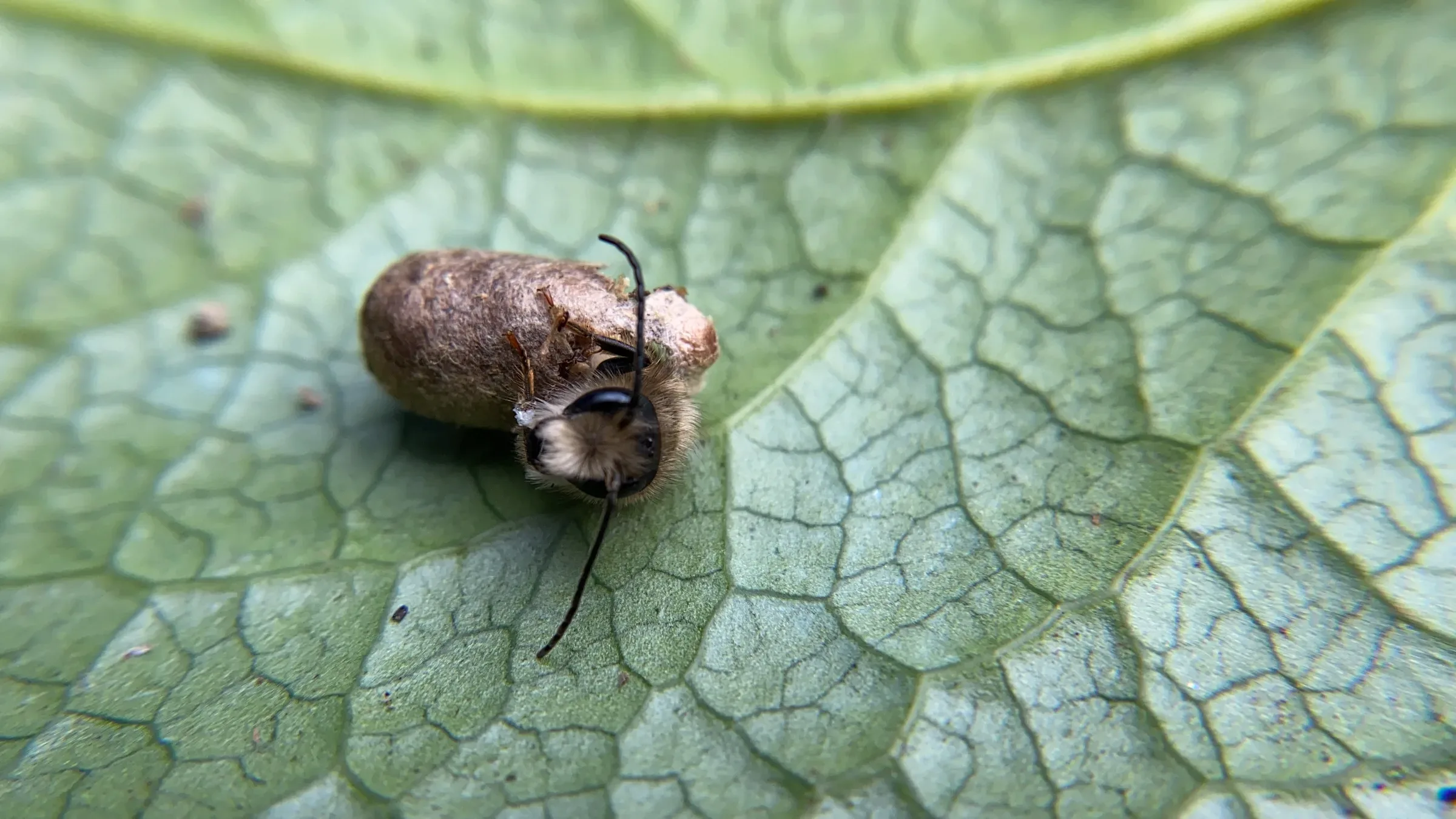
Grow More Food. Help Pollinators Thrive.
Bring gentle, highly efficient mason and leafcutter bees to your garden. We provide the bees, supplies and support, whether we clean them for you or you care for them yourself.

What Does
Renting Mean?
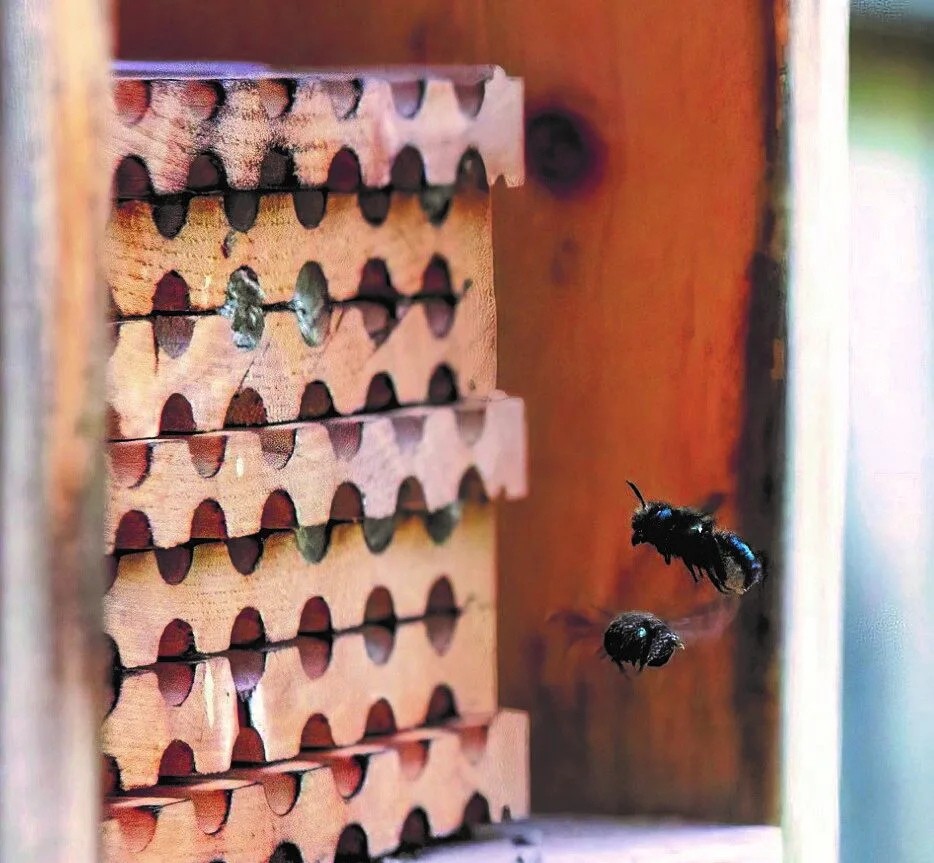
We send you solitary bees and a clean nesting block to place in your yard. The bees emerge, pollinate the flowers, and build their nest.
At the end of the season you return your rented nesting block back to us and we'll harvest, clean and care for the bees.
Why Solitary Bees?

Grow More Fruit
95% Pollination Rate
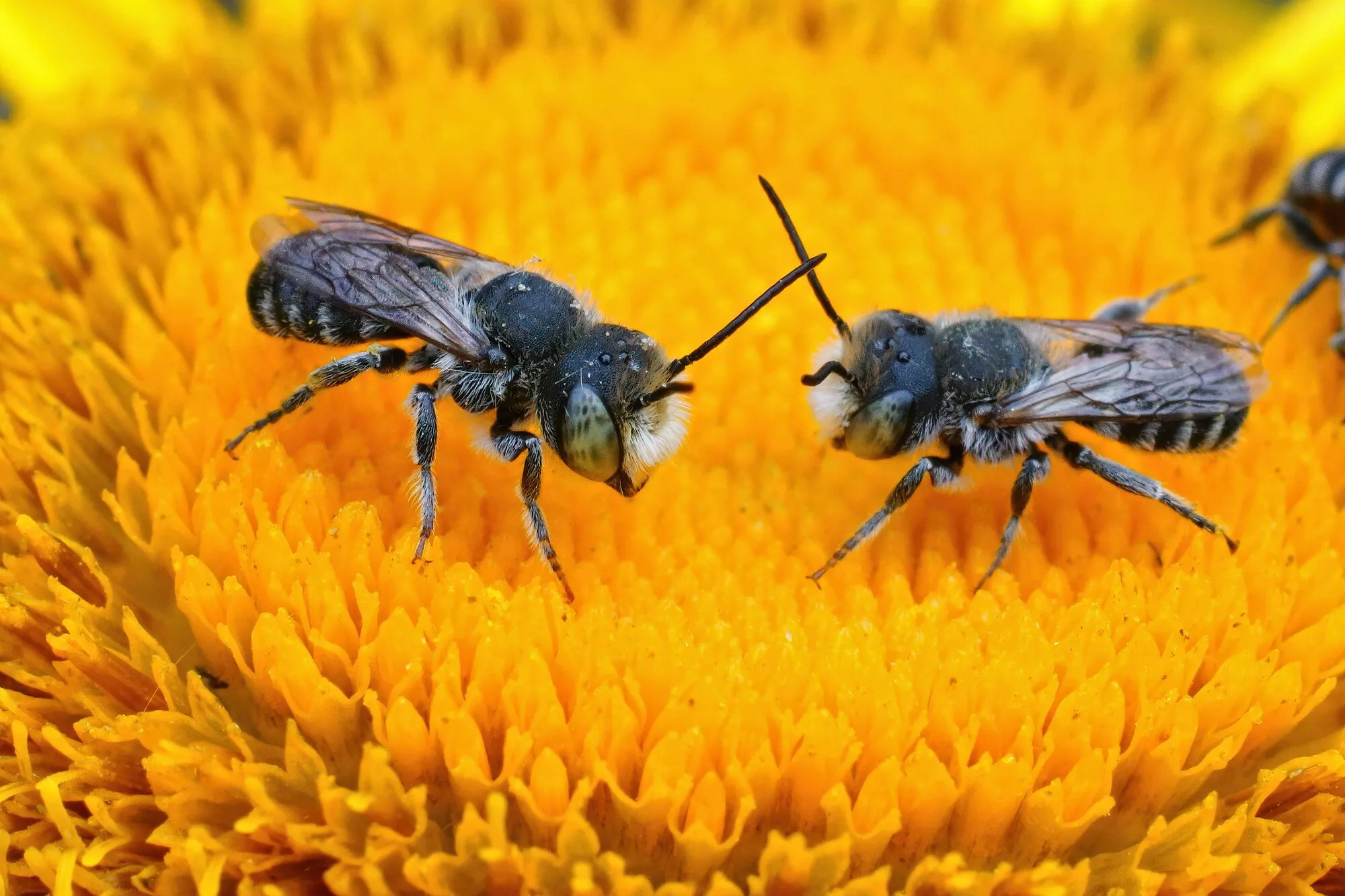
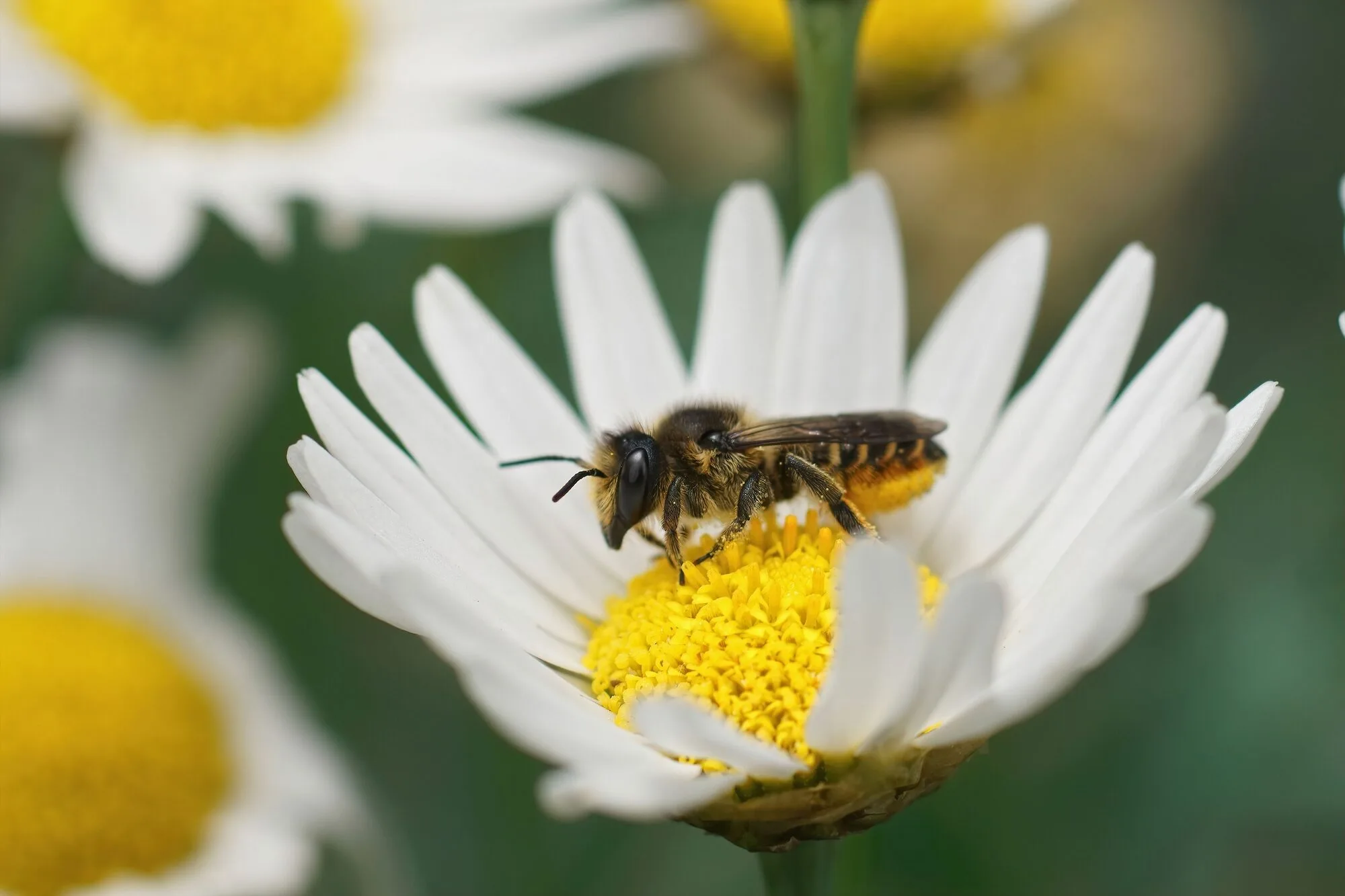
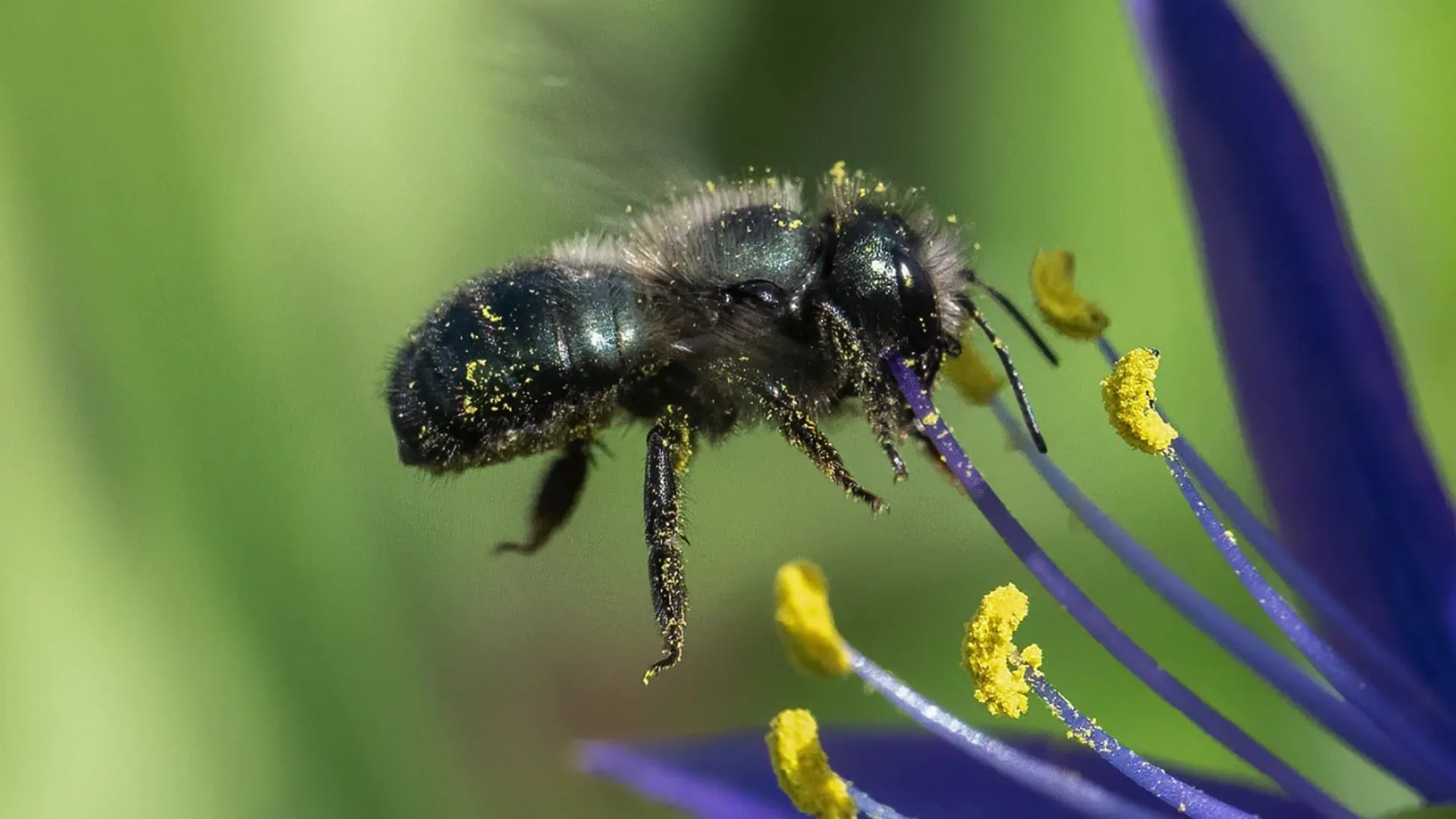
Mason and leafcutter bees carry loose pollen that easily transfers between flowers, achieving up to a 95% pollination rate compared to just 5% for honeybees!
Our bees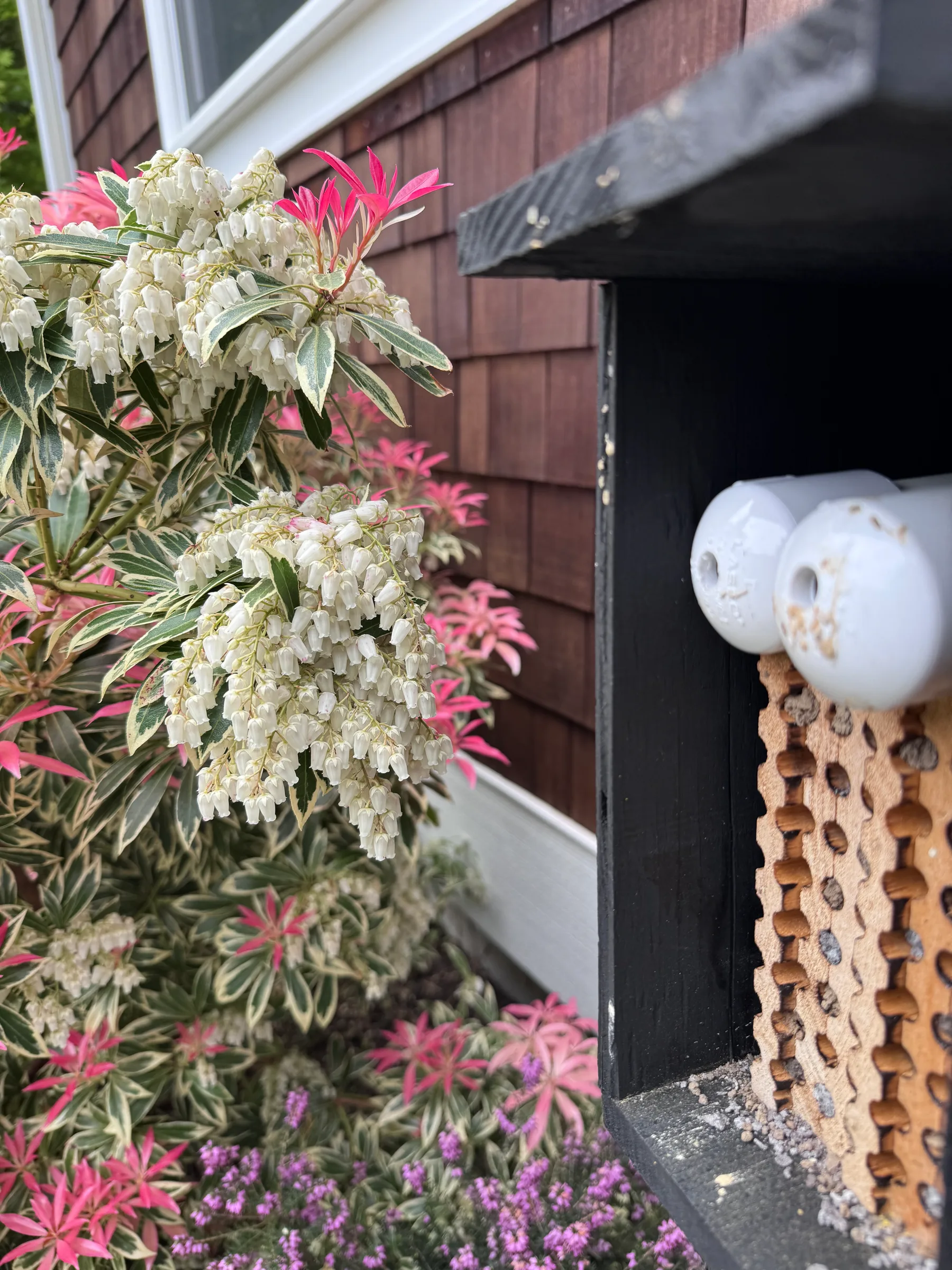
Low Maintenance
Easy to Host
No beekeeping skills required. No hive, honey, or queen to manage. Just release and enjoy the pollination!
Plants
Non-Aggressive & Safe Around Kids
Gentle and Safe
Non-aggressive bees that are safe to host around kids and pets.
For kidsHow It Works

Spring
Set Up & Release Bees
Set out your clean nesting block and release your bees when the temperatures are right.

Spring to summer
Pollinate
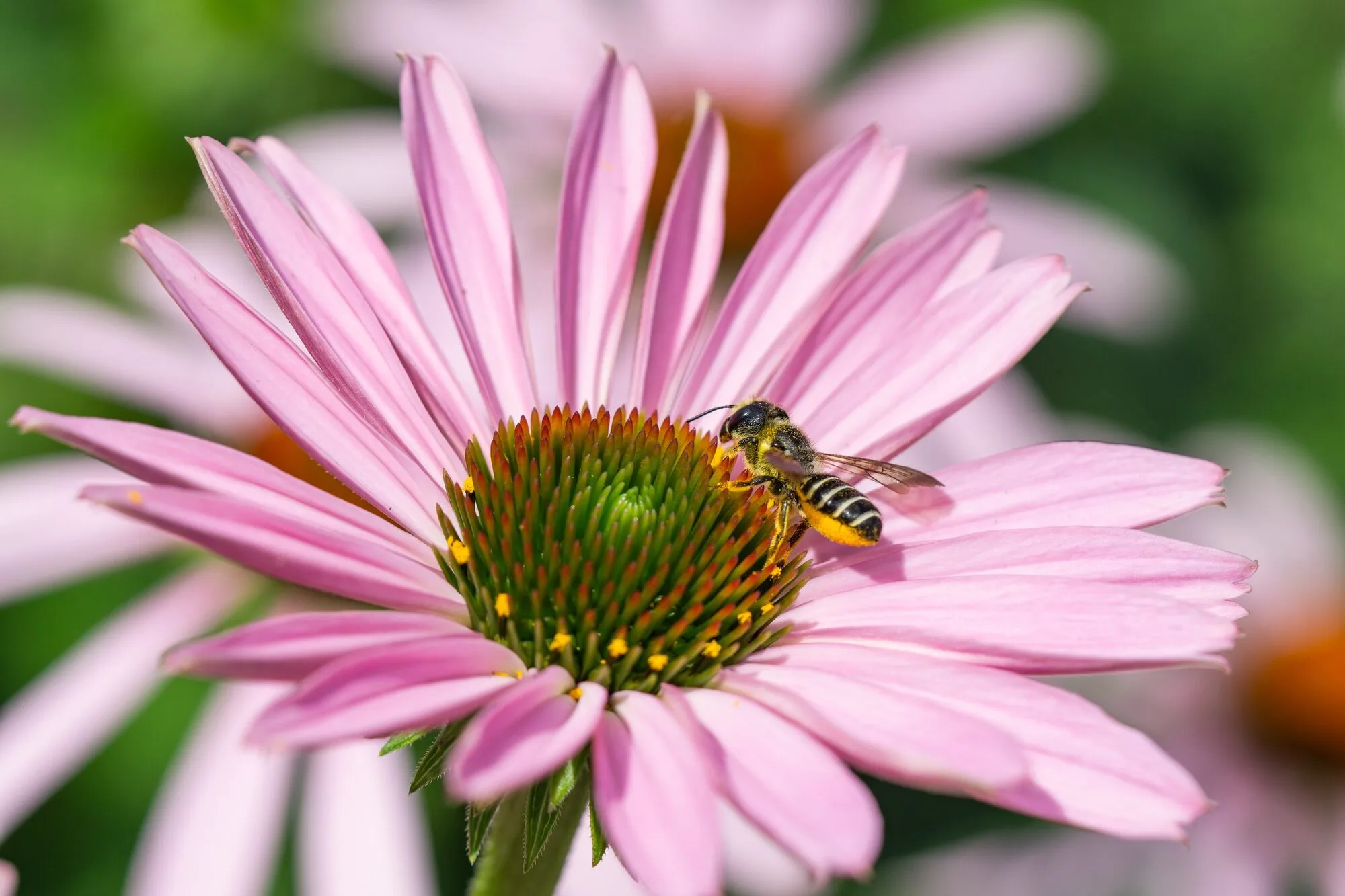
Watch your bees pollinate your flowers, fruit trees and garden.

Fall
Return & We Clean
At the end of the season, return your nesting block to us. We harvest, clean and care for the bees.
Year-Round Bee Care

Spring
Start Clean in Spring.
Use nesting material you can easily open.

Early Summer
They only live 6-8 weeks.
Store in cool garage or shed over summer.

Fall & Winter
Open nests and remove from predators.
Protect next generation of bees.
New to Solitary Bees? Start Here.
Spring
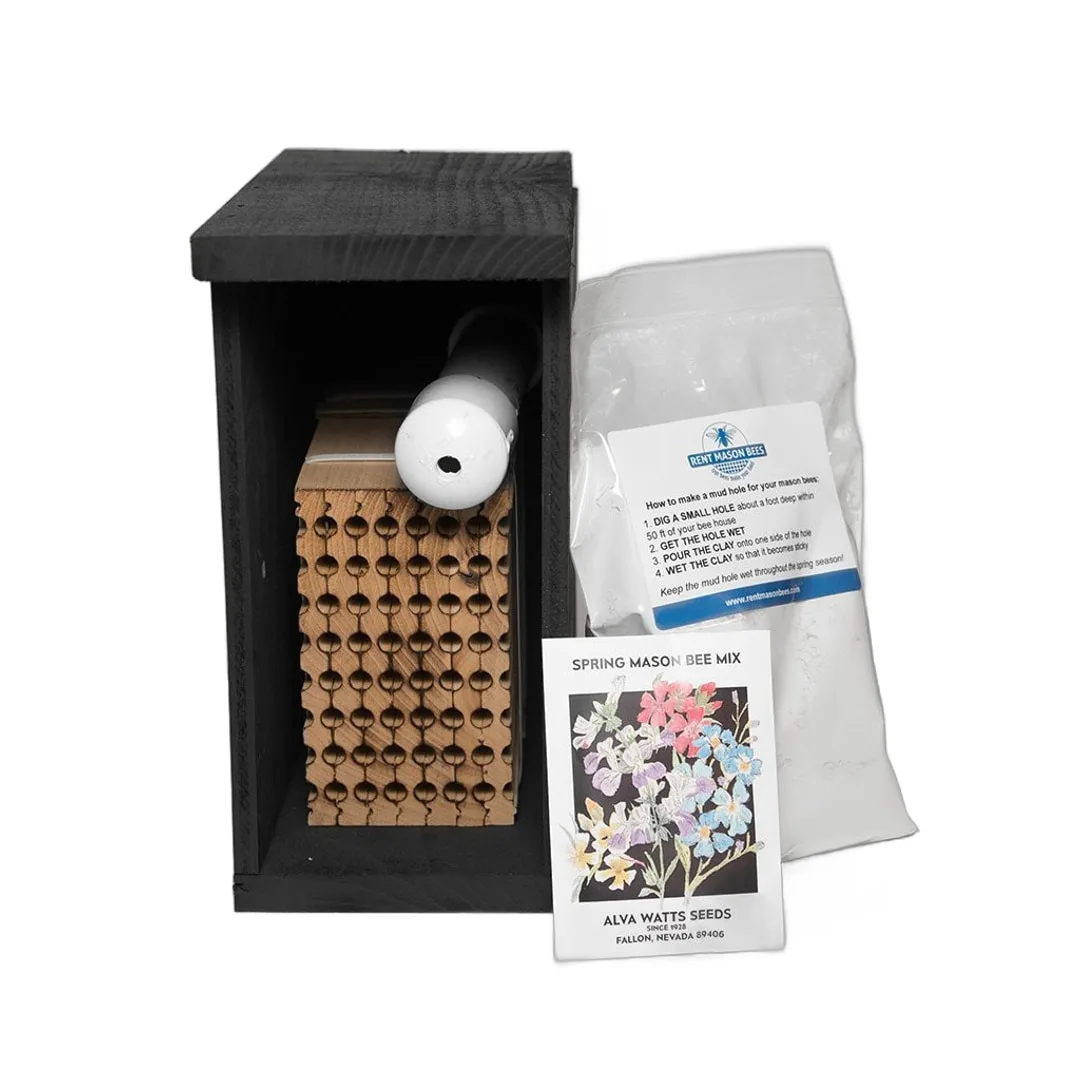
Mason Bee Starter Kit
For spring pollination.
$85
Add to cart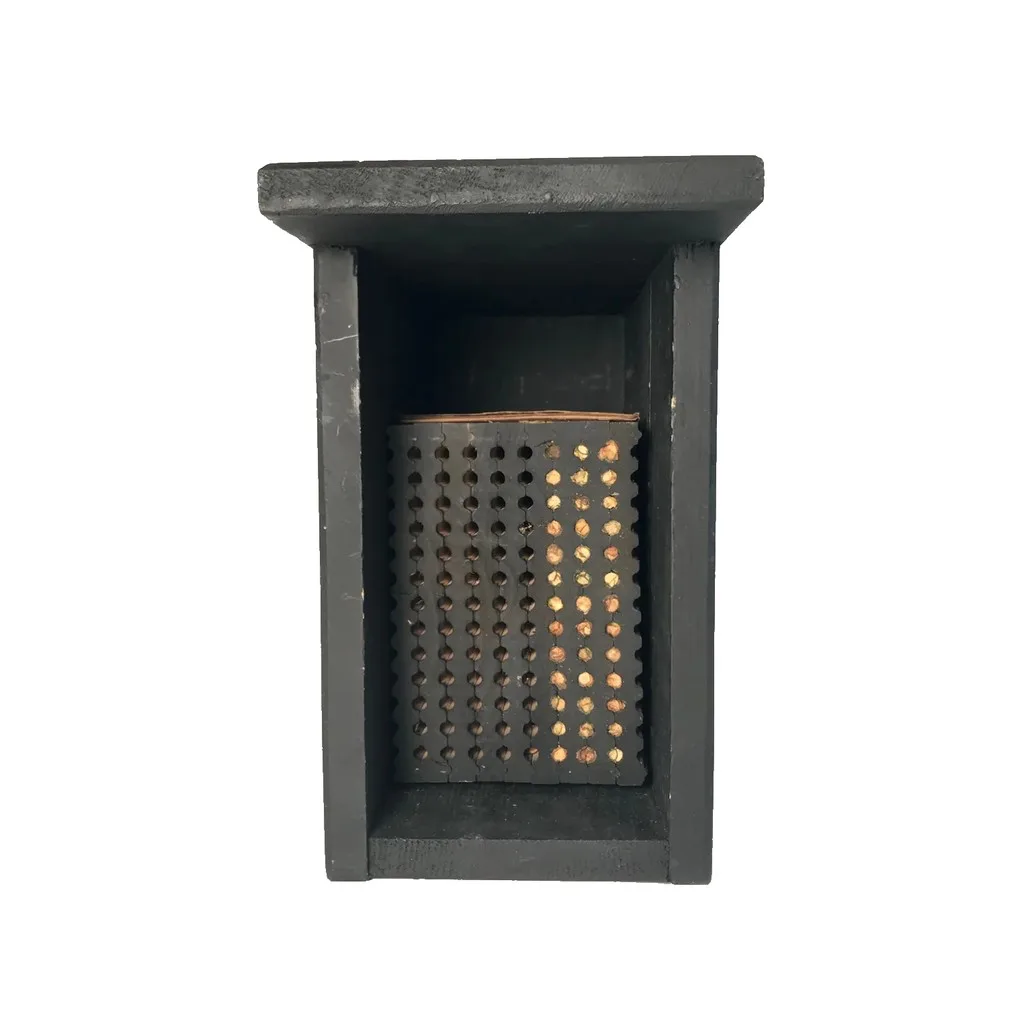
Summer
Leafcutter Bee Starter Kit
For summer pollination.
$80
Add to cart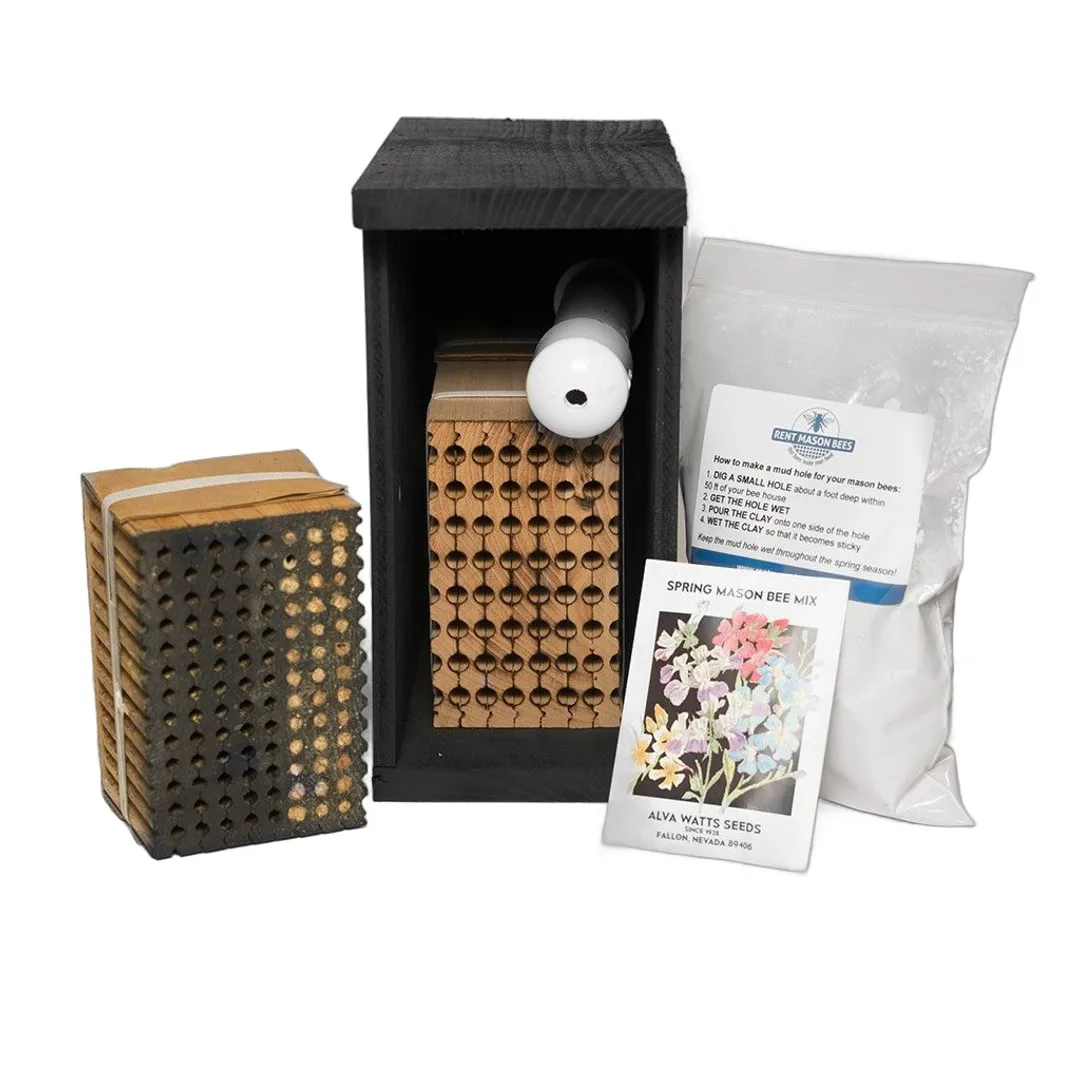
Spring + Summer
Pollinator Kit
For spring + summer pollination.
$110
Add to cartBothell, Washington
About Us
At Rent Mason Bees, we don’t just provide bees and supplies. We guide you every step of the way.
As the largest solitary bee provider in the United States, our mission goes far beyond supplying bees for your garden. We're here to teach you the proper care and maintenance your bees need to thrive because supporting pollinators starts with education.
We’re deeply committed to solitary bee conservation and to raising awareness about the critical role these gentle, efficient pollinators play in our ecosystem. Through hands-on guidance, educational videos, blogs, and public outreach, we empower gardeners and communities to become stewards of these vital species.
And our work doesn’t stop in the garden. We're proud to collaborate with top researchers and bee labs across the country, driving innovative studies to better understand and combat rising threats like the Houdini fly, pollen mites and chalkbrood that endanger solitary bee populations.
Together, we can grow a healthier, more pollinator-friendly world, one bee house at a time.
